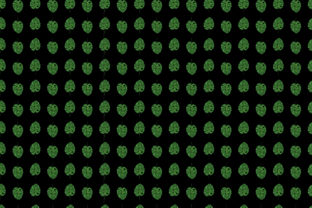
Black Mix Pattern: A Deep Dive into the Art and Utility of Tropical Leaf-Inspired Design
The Black Mix Pattern is a unique design concept that draws inspiration from the intricate and organic forms found in tropical leaves. Unlike traditional patterns that rely on repetition or symmetry, this style embraces the natural irregularity and complexity of leaf structures to create visually striking and versatile designs. Whether you're an artist, a designer, or simply someone who appreciates the beauty of nature, the Black Mix Pattern offers a fresh approach to pattern creation with real-world applications across multiple industries.
The Essence of Black Mix Pattern
The Black Mix Pattern is not just about aesthetics—it's about capturing the essence of natural textures and forms. It combines elements of dark tones with subtle variations in shape and depth, mimicking the way light interacts with the surface of tropical leaves. This creates a dynamic visual effect that can be both calming and engaging, depending on how it’s applied.
Unlike rigid geometric patterns, the Black Mix Pattern is fluid and adaptable. It allows for a degree of randomness that mirrors the organic growth of plants, making it ideal for environments where a sense of movement and life is desired. The result is a pattern that feels alive, rather than manufactured.
Where Is Black Mix Pattern Useful?
The Black Mix Pattern finds its place in a variety of practical situations. One of the most common uses is in textile design, where it can be used to create fabrics that feel both modern and grounded in nature. From fashion to home décor, this pattern adds a layer of sophistication without being overly complicated.
In graphic design, the Black Mix Pattern serves as a powerful tool for creating background textures that enhance readability without overwhelming the viewer. It works especially well in digital interfaces, where subtle visual interest can improve user engagement without distracting from the main content.
For interior designers, the Black Mix Pattern can be a great choice for wall coverings, floor tiles, or decorative accents. Its natural aesthetic makes it a perfect fit for spaces that aim to blend the indoors with the outdoors, such as living rooms, spas, or wellness centers.
Even in product design, the Black Mix Pattern has found a niche. It can be applied to items like furniture, lighting fixtures, or even packaging to give them a distinctive look that stands out in a crowded market. The pattern’s versatility allows it to be adapted to different materials and finishes, ensuring that it remains relevant across various product categories.
Who Benefits From Black Mix Pattern?
The appeal of the Black Mix Pattern lies in its ability to cater to a wide range of users. For designers and artists, it provides a new canvas to explore creativity without being constrained by traditional design rules. It encourages experimentation and innovation, allowing for personal expression through pattern.
For businesses and brands, the Black Mix Pattern can serve as a unique identifier. It helps differentiate products in a competitive market while maintaining a strong visual identity. This is particularly useful for lifestyle brands, eco-conscious companies, or those looking to connect with nature-loving consumers.
Consumers who appreciate natural aesthetics may also find the Black Mix Pattern appealing. Whether they’re shopping for home décor, clothing, or accessories, the pattern offers a sense of authenticity and connection to the environment, which resonates with many people today.
Considerations Before Using Black Mix Pattern
While the Black Mix Pattern is versatile and visually appealing, there are a few considerations to keep in mind before applying it in your projects:
- Color contrast: The pattern relies heavily on dark tones, so it’s important to ensure that the surrounding elements provide enough contrast to maintain readability and visual balance.
- Scale and repetition: Because the pattern is inspired by natural forms, it’s essential to consider how it will scale and repeat in different contexts. Overuse can lead to visual clutter, especially in large-scale applications.
- Material compatibility: The Black Mix Pattern works best with materials that can capture texture and depth, such as fabric, wood, or stone. It may not translate well to flat, non-textured surfaces.
- Cultural sensitivity: While the pattern is inspired by tropical leaves, it’s important to be mindful of cultural associations and meanings attached to certain plant species in different regions.
Strengths and Limitations
The Black Mix Pattern brings several strengths to the table. Its organic nature makes it highly adaptable, allowing it to fit seamlessly into a wide range of design contexts. It also offers a level of uniqueness that can help brands stand out in a saturated market.
However, it’s not without limitations. The pattern’s reliance on natural forms means it may not be suitable for every design project. In some cases, its irregularity could be seen as a drawback, especially in environments that require strict alignment or uniformity.
Additionally, because the Black Mix Pattern is often associated with nature, it may not be the best choice for all audiences. For example, in corporate settings where a more formal or structured aesthetic is preferred, the pattern might come across as too informal or unprofessional.
Real-World Examples
One notable example of the Black Mix Pattern in action is in the home décor industry. A popular line of wall art features this pattern, combining deep blacks with subtle variations in texture to create a sense of depth and movement. The result is a piece that feels both contemporary and timeless.
In apparel design, a luxury brand recently introduced a collection featuring the Black Mix Pattern on high-end jackets and accessories. The pattern adds a touch of elegance and sophistication, appealing to customers who value both style and substance.
Another interesting application is in digital media. A mobile app developer used the Black Mix Pattern as a background texture for a meditation app, enhancing the user experience by creating a calming and immersive environment.
These examples highlight the pattern’s ability to transcend traditional boundaries and find relevance in unexpected places, proving that its value extends beyond mere aesthetics.