Sunny
Sunny is a digital pattern that has gained popularity among designers, creators, and professionals looking for high-quality, scalable assets. Whether you're working on print materials, web design, or branding, the right digital patterns can make a significant difference in the final outcome. Sunny offers a unique combination of resolution, file size, and versatility that makes it a valuable resource for those who want to elevate their projects.
Why Choose Sunny?
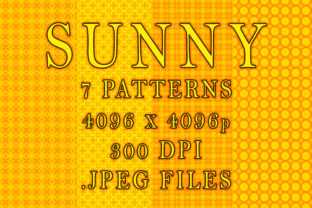
Sunny stands out due to its high-resolution specifications. With dimensions of 4096 x 4096 pixels and a resolution of 300 dpi, these files are ideal for both print and digital use. The 300 dpi standard ensures that the images remain sharp and clear, even when printed at larger sizes. This makes Sunny particularly useful for professional work where quality is non-negotiable.
Additionally, the file format—JPEG—is well-suited for a wide range of applications. JPEGs are widely supported across platforms and devices, making them easy to integrate into various projects. However, it's important to understand how these files perform in different contexts to avoid common pitfalls.
Common Mistakes When Using Sunny
Despite its advantages, many users make mistakes when choosing or using Sunny. One of the most frequent errors is not considering the intended use of the file. For example, if you're planning to print a large poster, the 300 dpi resolution is essential. But if you're using the image for a website, lower resolution may be sufficient, and higher resolution could unnecessarily increase file size and loading times.
Another mistake is overlooking the file size. Each Sunny file ranges from 23 MB to 29 MB, which might seem manageable, but when multiple files are used together, the total size can add up quickly. A 145 MB archive and an 180 MB unarchived size should be taken into account when planning storage and bandwidth usage, especially for large-scale projects or online distribution.
What to Check Before Using Sunny
Before downloading or purchasing Sunny, there are several factors to consider. First, verify the resolution and format to ensure they align with your project requirements. If you're unsure about the appropriate resolution, consult with a professional or do some quick research to determine what's best for your specific use case.
Second, check the file size and compression level. While JPEG files are compressed, the degree of compression can affect image quality. A higher compression rate may result in visible artifacts, especially in areas with fine details. Always preview the files before using them to ensure they meet your expectations.
Third, consider the licensing and usage rights. Some digital patterns come with restrictions on how they can be used, shared, or modified. Make sure you understand the terms of use to avoid legal issues down the line. It’s always better to choose patterns that offer flexibility and clarity in their licensing agreements.
Practical Tips for Better Results
To maximize the effectiveness of Sunny, start by understanding the context in which you'll be using the files. If you're designing a product for a client, communicate your needs clearly and ask for feedback early on. This helps prevent misunderstandings and ensures the final output meets expectations.
When working with multiple Sunny files, organize them in a structured folder system. This makes it easier to locate specific assets and manage updates or revisions. Also, keep backups of your original files to avoid data loss, especially when working on complex projects.
Lastly, don't hesitate to experiment. Digital patterns like Sunny offer a lot of creative potential. Try different layouts, color combinations, and applications to see how they can enhance your work. Sometimes, the best results come from unexpected uses of the same asset.
Conclusion
Sunny is a powerful tool for anyone involved in design, marketing, or content creation. Its high resolution, versatile format, and manageable file size make it a go-to choice for a wide range of applications. By avoiding common mistakes and taking a thoughtful approach to its use, you can unlock its full potential and achieve better results in your projects.